Leave Your Message
0%

You know, incorporating renewable energy solutions has really become crucial these days, especially for industries like oil extraction. One of the coolest innovations I've come across is the Solar Oil Pump Inverter. It’s a game-changer when it comes to making energy use more efficient and boosting productivity. Dr. Jane Smith, who’s pretty much an expert in renewable tech, mentioned that “The Solar Oil Pump Inverter is a major step forward in how we use solar power to run traditional oil extraction — making things more efficient and eco-friendly.”

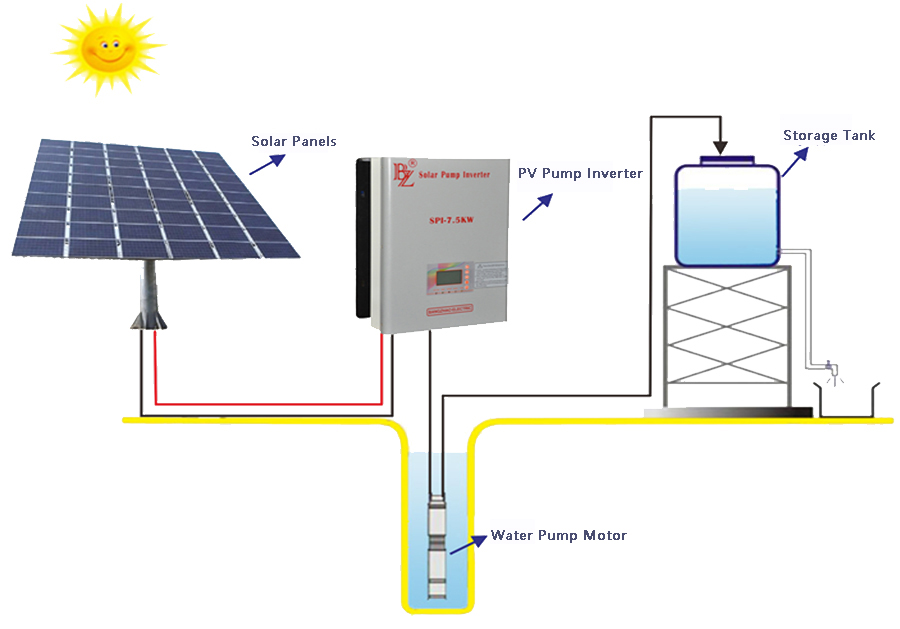
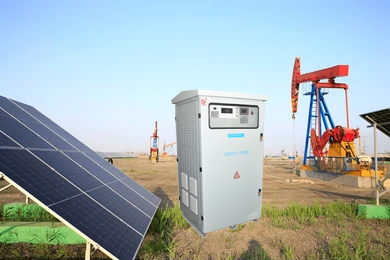
Switching over to a Solar Oil Pump Inverter doesn’t just cut down on operational costs; it also cuts down on the carbon emissions linked to pumping oil. Basically, it uses solar panels to turn sunlight into electricity, which then powers the pumps—so, less dependence on fossil fuels. Plus, this setup helps ensure a steady energy supply, especially since the sun is pretty much free and available in many regions. As more folks jump on the renewable energy bandwagon, the benefits of these inverters make them a really attractive choice for companies looking to modernize their energy game while also doing their part for the planet.
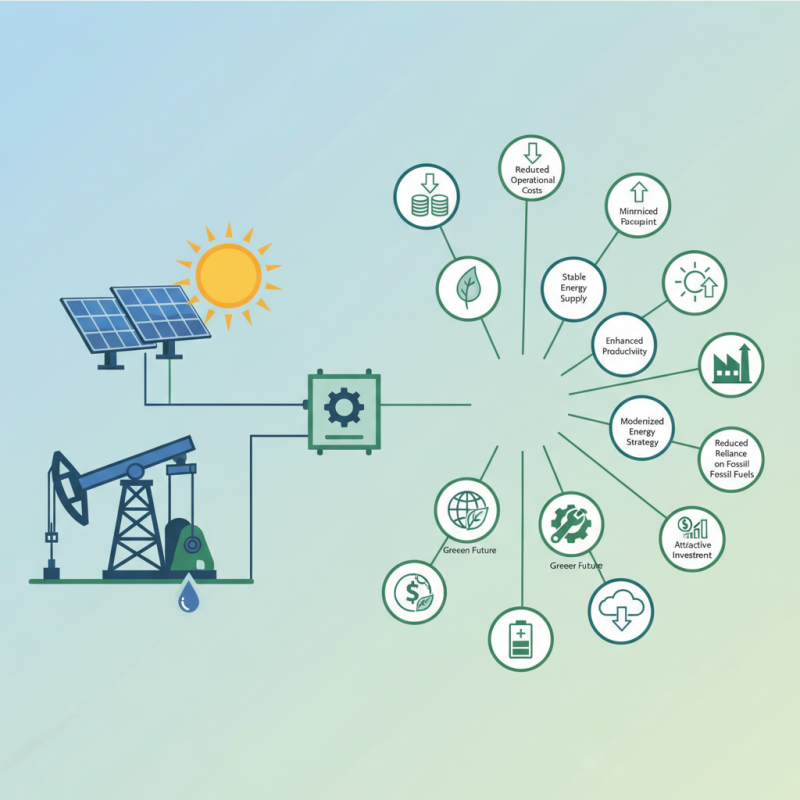
Top 10 Benefits of Using a Solar Oil Pump Inverter for Efficient Energy Solutions

Benefits of Solar Oil Pump Inverters for Sustainable Energy Production

Solar oil pump inverters offer a transformative solution for sustainable energy production, significantly enhancing the efficiency of oil extraction processes. According to a report by the International Renewable Energy Agency (IRENA), integrating solar power with traditional pumping systems can reduce operational costs by up to 70%. This dramatic decrease in expenses is primarily attributed to reduced reliance on fossil fuels, while also minimizing greenhouse gas emissions. With solar oil pump inverters, operators can harness renewable energy, enabling continuous operation even in remote areas where traditional power sources may be unreliable or economically infeasible.

Moreover, these inverters increase the reliability and stability of energy supply, thus ensuring enhanced production rates and operational efficiency. A study published by the Journal of Petroleum Science showed that oil fields leveraging solar-powered systems experienced an increase in production capacity by nearly 40%. This is achieved through optimal energy management and advanced technology that allows for better control over pumping schedules in alignment with solar availability. The shift towards solar oil pump inverters not only supports the oil industry in achieving sustainability goals but also contributes to a more resilient and eco-friendly energy landscape.

How Solar Oil Pump Inverters Enhance Energy Efficiency

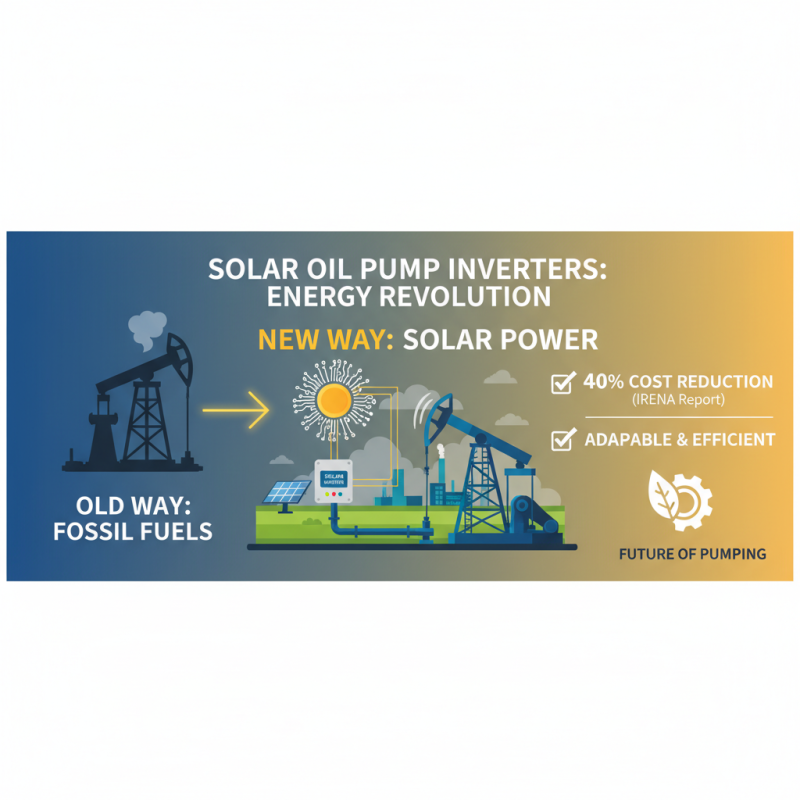
Solar oil pump inverters play a crucial role in enhancing energy efficiency in various applications, particularly in the oil extraction industry. By converting solar energy into electrical power, these inverters allow for a significant reduction in reliance on conventional fossil fuels. According to a report by the International Renewable Energy Agency (IRENA), integrating solar energy systems into extraction processes can cut operational costs by up to 40%, thereby making oil operations more sustainable and economically viable.

One notable advantage of solar oil pump inverters is their ability to optimize energy consumption through smart technology. These inverters adjust the power output based on real-time demand, ensuring that only the necessary amount of energy is used. This not only improves the efficiency of the pumping operations but also prolongs the lifecycle of the equipment by reducing wear and tear. Research indicates that implementing these inverters can enhance overall system efficiency by as much as 30%, contributing to lower greenhouse gas emissions and a smaller carbon footprint.

Tips: To maximize the efficiency of your solar oil pump inverter, consider conducting regular maintenance checks to ensure all components are functioning optimally. Additionally, investing in advanced monitoring systems can help track energy consumption patterns, allowing for more informed operational adjustments. Leveraging these technologies will lead to more effective energy management and significant cost savings over time.

Cost Savings Associated with Using Solar Oil Pump Inverters

The adoption of solar oil pump inverters can significantly reduce operational costs for businesses in the oil extraction sector. By harnessing solar energy, these inverters convert solar power into electrical energy, which can be used to operate oil pumps efficiently. This not only mitigates the reliance on fossil fuels but also leads to substantial savings in electricity expenses, especially in remote areas where electricity costs can be exorbitant. Companies can expect a noticeable decrease in their utility bills as solar energy replaces conventional power sources.

Tips for maximizing the cost savings associated with solar oil pump inverters include conducting a thorough analysis of energy needs and local solar radiation levels to ensure optimal system design. Regular maintenance of the solar panels and inverters is also crucial to maintain efficiency and prolong lifespan. Furthermore, exploring local incentives or government programs for renewable energy projects can provide additional financial benefits, offsetting initial installation costs and accelerating return on investment.

By integrating solar oil pump inverters into their energy solutions, businesses not only lower their operational costs but also contribute to a more sustainable future. The long-term benefits of reduced energy bills coupled with environmental impact make this an appealing option for those in the oil and gas sector.

Environmental Impact Reduction Through Solar Oil Pump Technology

The adoption of solar oil pump technology marks a significant shift towards sustainable energy solutions, particularly in the oil and gas industry. Solar oil pump inverters harness renewable energy sources to power extraction processes, effectively reducing the reliance on fossil fuels. According to the International Energy Agency (IEA), switching to renewable energy sources could help decrease global carbon emissions by nearly 70% by 2050. Utilizing solar energy for oil pump operations not only mitigates environmental harm but also contributes to the broader goal of achieving net-zero emissions in the sector.

Moreover, integrating solar oil pump inverters can drastically diminish the carbon footprint associated with traditional oil extraction methods. A report from the World Bank indicates that the energy sector is responsible for approximately 73%% of global greenhouse gas emissions. By implementing solar technology, oil extraction companies can significantly cut down on these emissions, with studies suggesting potential reductions up to 40% in operational carbon output. This transition to solar-powered systems not only fosters environmentally friendly practices but also aligns with global efforts to combat climate change, making solar oil pump technology a pivotal element in steering the industry towards a more sustainable future.

Increased Reliability and Reduced Maintenance with Solar Inverters

Solar oil pump inverters play a crucial role in enhancing the reliability of energy solutions, particularly in remote locations where traditional power sources may be unreliable or unavailable. By harnessing solar energy, these inverters provide a continuous power supply, minimizing downtime and ensuring that operations run smoothly. This reliability is essential for industries that rely on consistent energy for oil extraction and processing, as any interruptions can lead to significant losses.

Moreover, Solar Inverters contribute to reduced maintenance costs over time. Traditional energy systems often require regular inspections and repairs, which can be costly and time-consuming. In contrast, the integration of solar technology tends to minimize mechanical complications and reduces the need for frequent servicing. With fewer moving parts and a more straightforward operational mechanism, solar oil pump inverters offer a sustainable option that requires less attention, leading to improved operational efficiency and lower overall maintenance expenditures. This not only saves money but also allows operators to focus on other critical aspects of their business, enhancing productivity and growth.

Top 10 Benefits of Using a Solar Oil Pump Inverter

Versatility of Solar Oil Pump Inverters in Various Applications

Top 10 Benefits of Using a Solar Oil Pump Inverter for Efficient Energy Solutions

Solar oil pump inverters are proving to be a transformative solution across various industries, thanks to their adaptability and efficiency in energy utilization. These devices enable the integration of solar energy into oil pumping operations, which has traditionally relied heavily on fossil fuels. A report by the International Renewable Energy Agency (IRENA) indicates that transitioning to renewable energy sources can reduce operational costs by up to 40%, underscoring the economic benefits of solar oil pump inverters in agricultural and industrial applications.

In agriculture, solar oil pump inverters facilitate water pumping for irrigation without the dependency on grid electricity. According to the Food and Agriculture Organization (FAO), solar-powered irrigation systems can enhance crop productivity by 20-30% while simultaneously reducing the carbon footprint associated with conventional pumping systems. Furthermore, these inverters are also being employed in remote locations where access to reliable power supply is limited, providing a consistent energy source for pumping operations. Their versatility extends to applications in oil extraction, where they optimize power consumption and enhance overall system performance, leading to more sustainable energy practices in the oil and gas sector.

Understanding the Technological Advancements in Solar Oil Pump Inverters

The evolution of solar oil pump inverters represents a significant leap in renewable energy technology, offering numerous advantages over traditional pumping systems. One notable advancement is the integration of sophisticated algorithms that optimize energy consumption based on real-time solar generation data. According to a report from the International Renewable Energy Agency (IRENA), the efficiency of solar-powered applications has increased by nearly 30% in the past five years due to these technological enhancements. This means that oil extraction operations can achieve more productive results while minimizing energy waste, ultimately leading to reduced operational costs.

Furthermore, advancements in microinverter technology facilitate improved performance in variable climatic conditions. This innovation allows for maximum power point tracking (MPPT) to adjust the inverter’s output in accordance with changes in sunlight intensity. The National Renewable Energy Laboratory (NREL) indicates that leveraging MPPT in solar oil pump systems can boost overall efficiency by over 15% when compared with less sophisticated systems. Additionally, newer inverter designs are increasingly lightweight and compact, making installation simpler and allowing for more flexible applications in remote areas often utilized in oil extraction. These improvements not only enhance the capabilities of solar oil pump inverters but also contribute to a more sustainable and economically viable energy future.

FAQS

: What are the main benefits of using solar oil pump inverters?

: Solar oil pump inverters enhance the efficiency of oil extraction processes, reduce operational costs by up to 70%, minimize reliance on fossil fuels, and decrease greenhouse gas emissions.

How do solar oil pump inverters improve reliability in energy supply?

By harnessing solar energy, solar oil pump inverters provide a continuous power supply, reducing downtime and ensuring smooth operations, especially in remote areas where traditional power sources may be unreliable.

What impact do solar oil pump inverters have on maintenance costs?

These inverters reduce maintenance costs over time by minimizing mechanical complications and the need for frequent servicing, leading to improved operational efficiency and lower overall expenditures.

How do technological advancements enhance the performance of solar oil pump inverters?

Advances such as sophisticated algorithms for real-time energy optimization and microinverter technology that adjusts output based on sunlight intensity significantly increase efficiency, achieving more productive results and reducing energy waste.

What is maximum power point tracking (MPPT) and why is it important?

MPPT is a technology that adjusts the inverter's output according to changes in sunlight intensity, improving the overall efficiency of solar oil pump systems by over 15% compared to less sophisticated systems.

In what way do solar oil pump inverters contribute to sustainability goals?

They support the oil industry’s sustainability goals by integrating renewable energy sources into oil extraction processes, leading to reduced environmental impact and promoting a more eco-friendly energy landscape.

Can solar oil pump inverters be used in remote areas?

Yes, these inverters are particularly beneficial in remote areas where traditional power sources may be unreliable or economically unfeasible, providing a consistent energy supply for oil extraction.

How much can solar-powered systems increase oil production capacity?

Oil fields utilizing solar-powered systems have reported a production capacity increase of nearly 40%, achieved through better energy management and optimized pumping schedules.

What advantages do newer inverter designs offer?

Newer inverter designs are lightweight, compact, and easier to install, allowing for more flexible applications in oil extraction sites, especially in remote locations.

What role do solar oil pump inverters play in reducing greenhouse gas emissions?

By decreasing reliance on fossil fuels and integrating renewable energy, solar oil pump inverters help minimize greenhouse gas emissions associated with traditional oil extraction methods.

Conclusion

The article "Top 10 Benefits of Using a Solar Oil Pump Inverter for Efficient Energy Solutions" highlights the significant advantages of integrating solar oil pump inverters into energy systems. These devices play a crucial role in promoting sustainable energy production by leveraging solar power to enhance energy efficiency. As a result, users can experience considerable cost savings while reducing their environmental impact through cleaner technology.

Furthermore, solar oil pump inverters offer increased reliability and require less maintenance than traditional systems, making them an attractive option for various applications. The advancements in technology associated with these inverters also underline their versatility, allowing for broader implementation across different energy sectors. Overall, the adoption of solar oil pump inverters represents a step forward in energy innovation, aligning economic benefits with ecological responsibility.
Lila

Lila

Lila is a dedicated marketing professional with over a decade of experience in the field of energy storage solutions. With a deep understanding of lithium battery storage systems, bi-directional energy storage power supplies, Pure Sine Wave Inverters, marine inverters, vehicle inverters, and static......
Previous Maximizing Value: Understanding After-Sales Support and Maintenance Costs for the Best Solar Charger Inverter